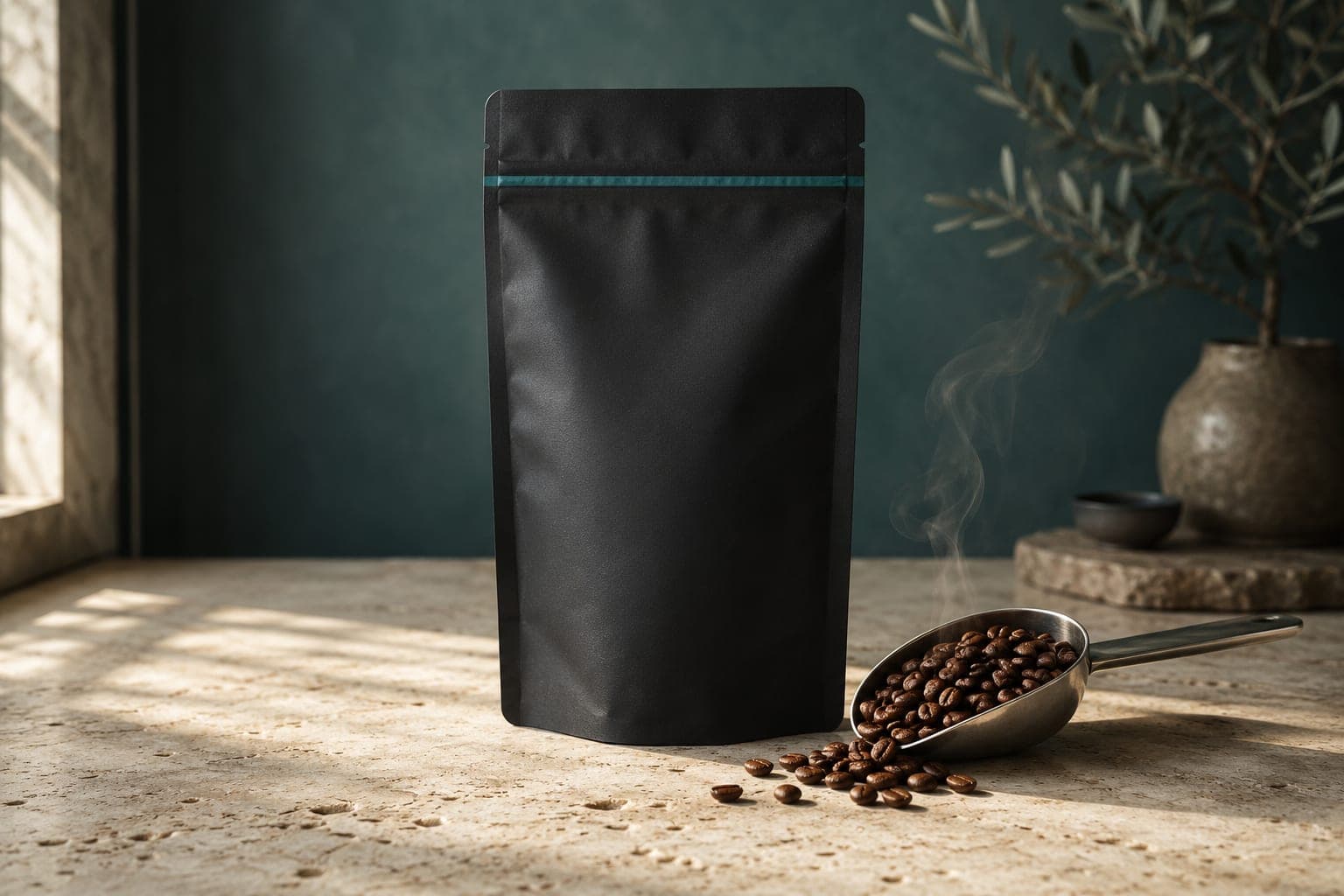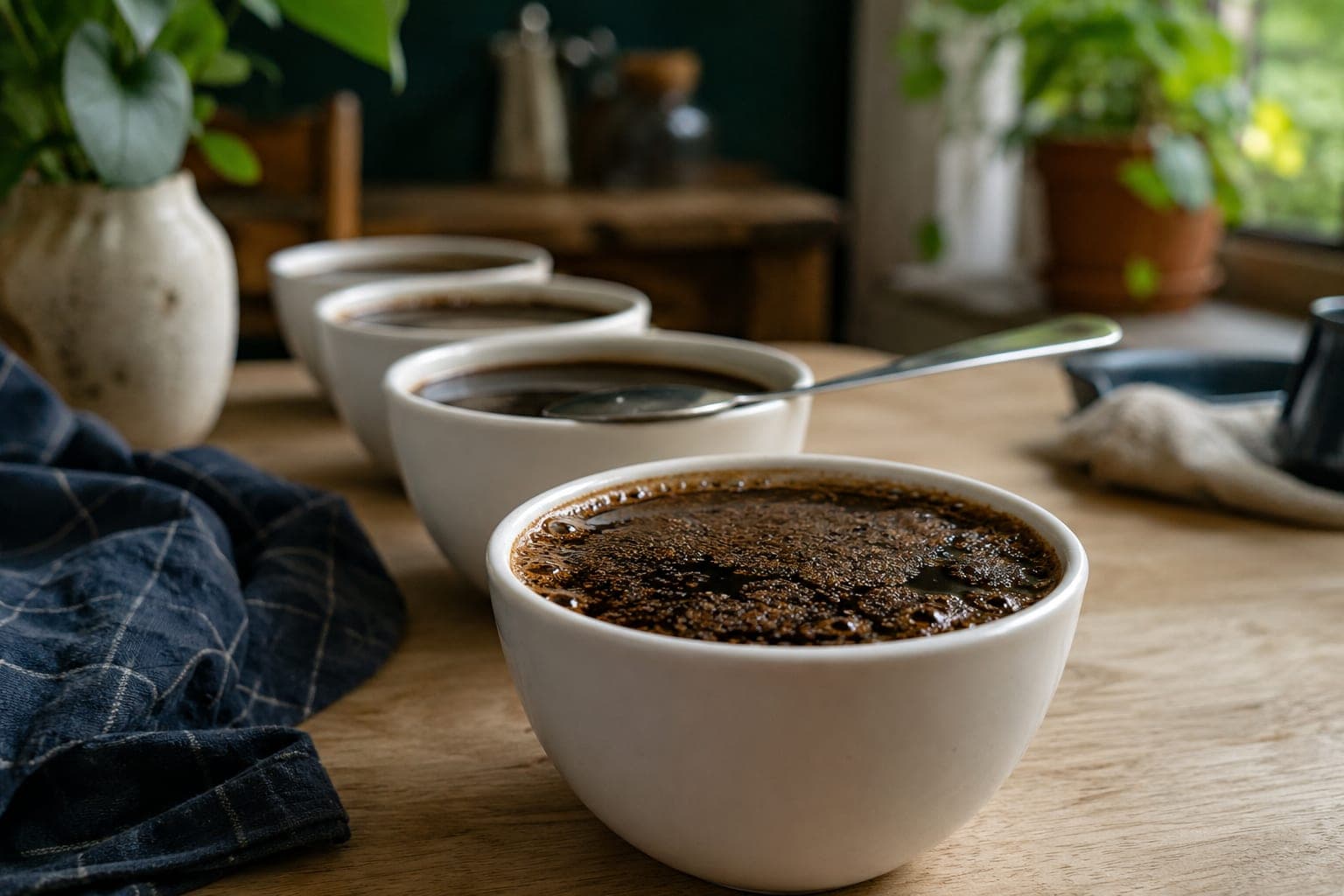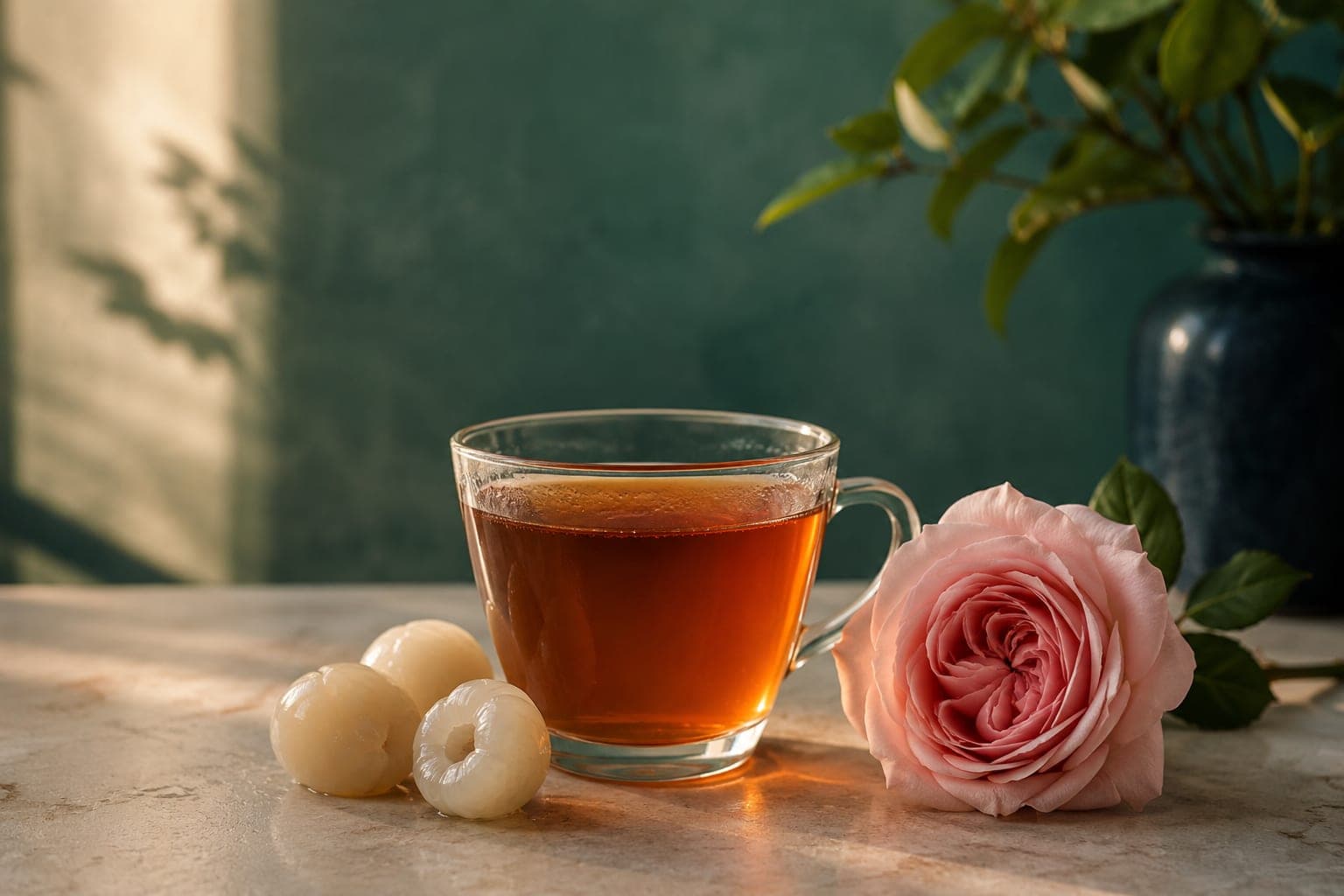
Every so often a coffee lands on the cupping table that makes the whole room stop. Our lychee lot — a small Colombian coffee — is one of those. People taste it and reach for words like fruit candy, rose, lychee, sometimes passion fruit. It barely tastes like what most people think coffee is supposed to taste like. So what's going on?
It starts with the ferment
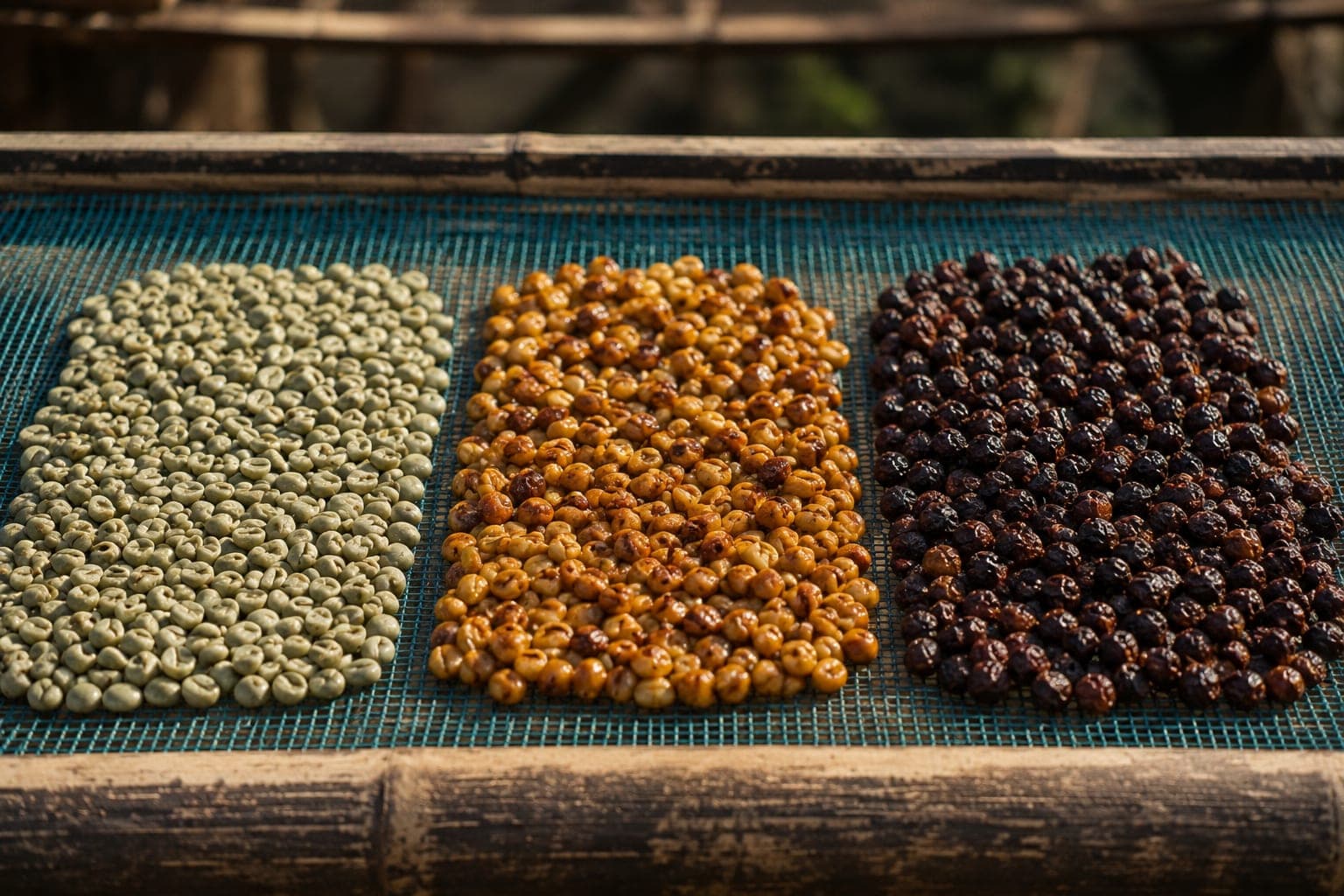
The flavor isn't an additive or a flavoring. It comes from how the coffee cherry is processed after it's picked — specifically, an extended, carefully controlled fermentation before the beans are dried.
Coffee is the seed of a fruit. After harvest, producers decide how much of that fruit stays in contact with the seed, for how long, and under what conditions. Push the fermentation in a deliberate direction — sealed tanks, controlled temperature, a longer rest — and you can coax out flavors that feel almost tropical.
The cup tastes like fruit because, for a few carefully managed days, the bean was still sitting inside one.
Why it's rare
These experimental ferments are a tightrope. Too little control and you get something muddy or boozy; too much and the delicacy disappears. The producers who do it well are doing real R&D — tracking time, temperature, and pH, and throwing out the lots that don't sing. That care is why these coffees are small, seasonal, and never quite the same twice.
We don't blend lots like this into anything. We keep them separate and single-origin so the work that went into them lands in your cup, exactly as it is. When one's in season, it's worth catching — it won't taste the same next year, and that's kind of the point.