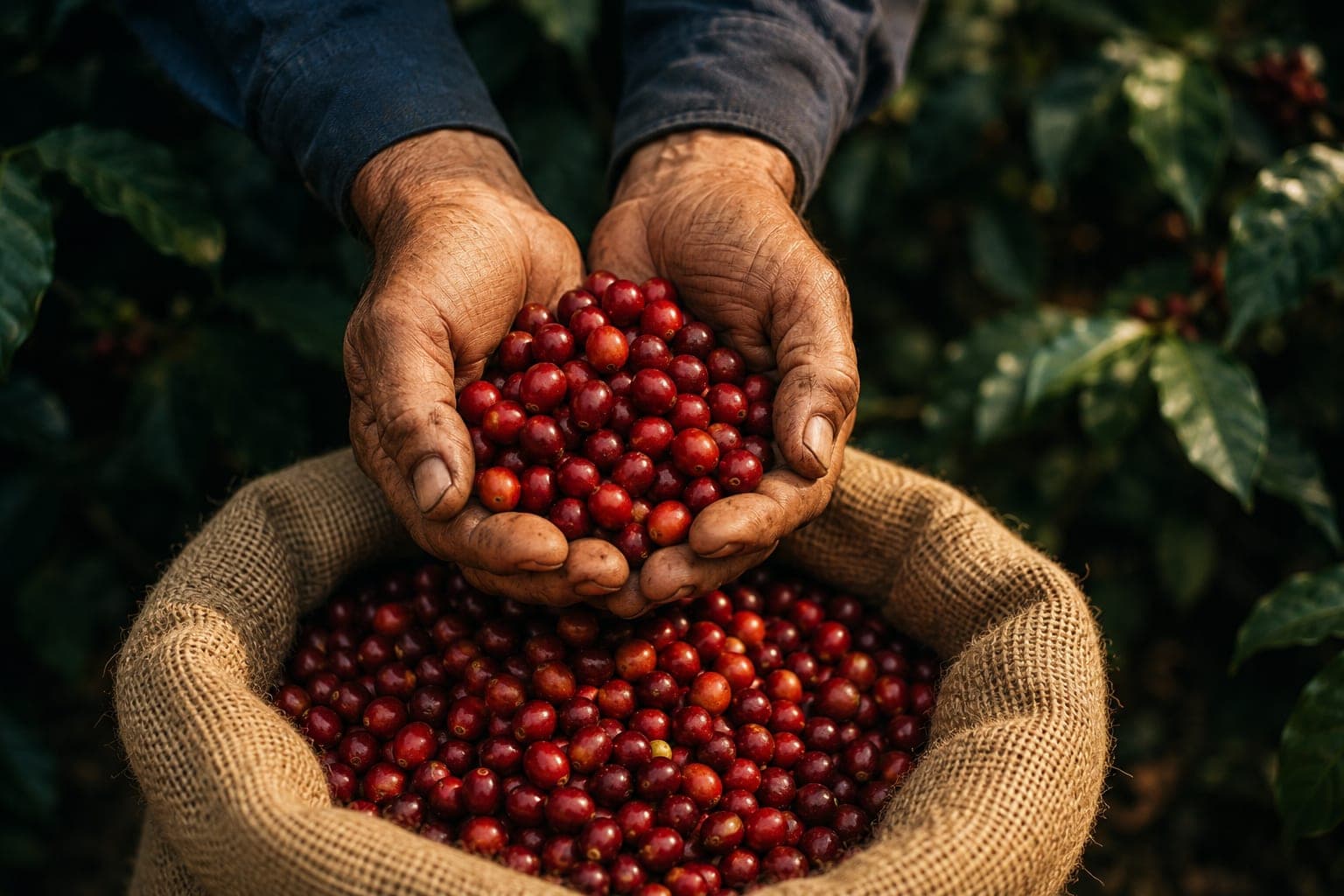
If you've browsed our coffees, you've seen the words: washed, natural, honey. They describe processing — what happens to the coffee cherry between the tree and the dry green bean — and it's one of the biggest forks in how a coffee ends up tasting. Bigger, often, than the roast.
Here's the plain-language version.
Washed
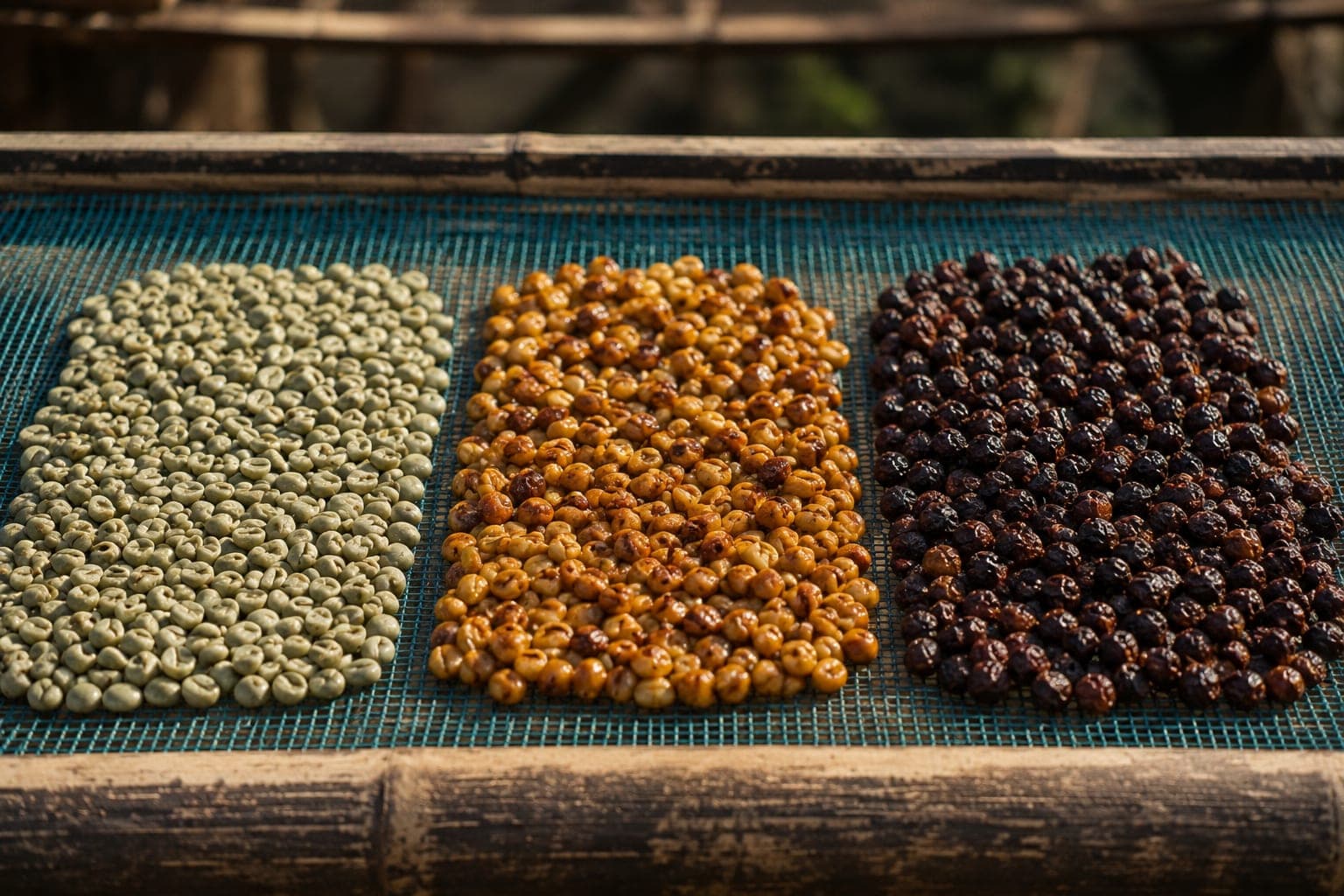
The fruit is removed from the seed early, and the beans are fermented and rinsed clean before drying. Washed coffees taste clean and bright — the origin's natural acidity and clarity come through without much fruit getting in the way. If a coffee tastes crisp and almost tea-like, it's usually washed.
Natural
The whole cherry is dried intact, fruit and all, and the seed soaks up that fruit as it dries. Naturals taste fruit-forward and sweet — think blueberry, strawberry, sometimes a winey depth. They're the boldest, most divisive cups we pour, and when they're good, they're unforgettable.
Honey
A middle path: some of the fruit's sticky inner layer (the "mucilage" — the honey) is left on the bean as it dries. Honey-processed coffees land between washed and natural — sweet and rounded, with some fruit but a cleaner finish.
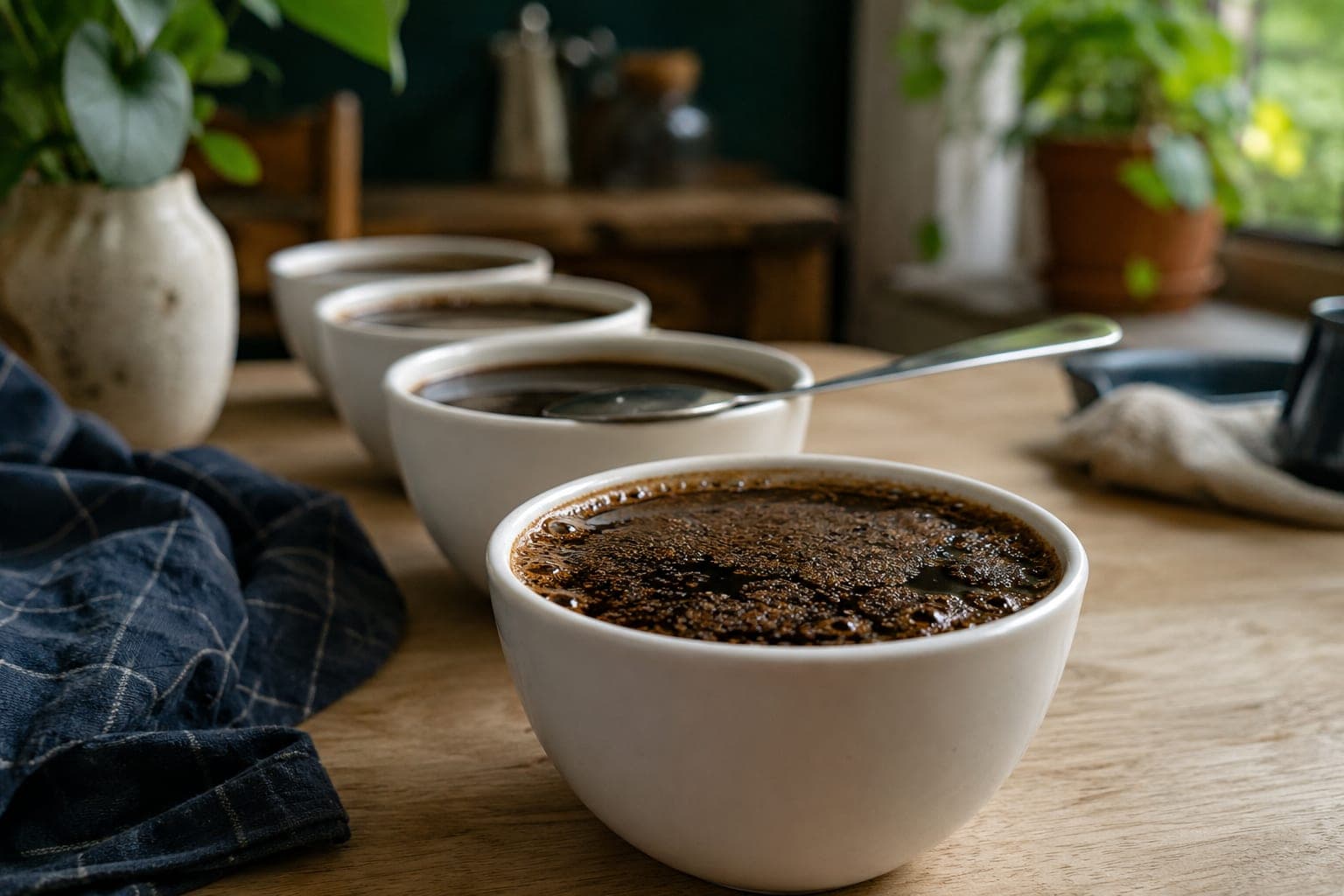
Same farm, same variety, three processes — and you'd swear you were drinking three different coffees.
Why it matters to you
Processing is a flavor lever, not a quality ranking. None is "better." If you like crisp and bright, lean washed. If you want sweet and fruity, try a natural. If you're not sure, honey is a friendly place to land. It's printed on every bag we sell for exactly this reason — once you know your preference, it's the fastest way to find your next coffee.