People sometimes picture a roastery as a warehouse full of bags waiting to be sold. Ours is the opposite. There's almost no finished coffee sitting around at all — because we don't roast it until you've ordered it. Here's how a week actually runs.
Monday: green coffee and cupping
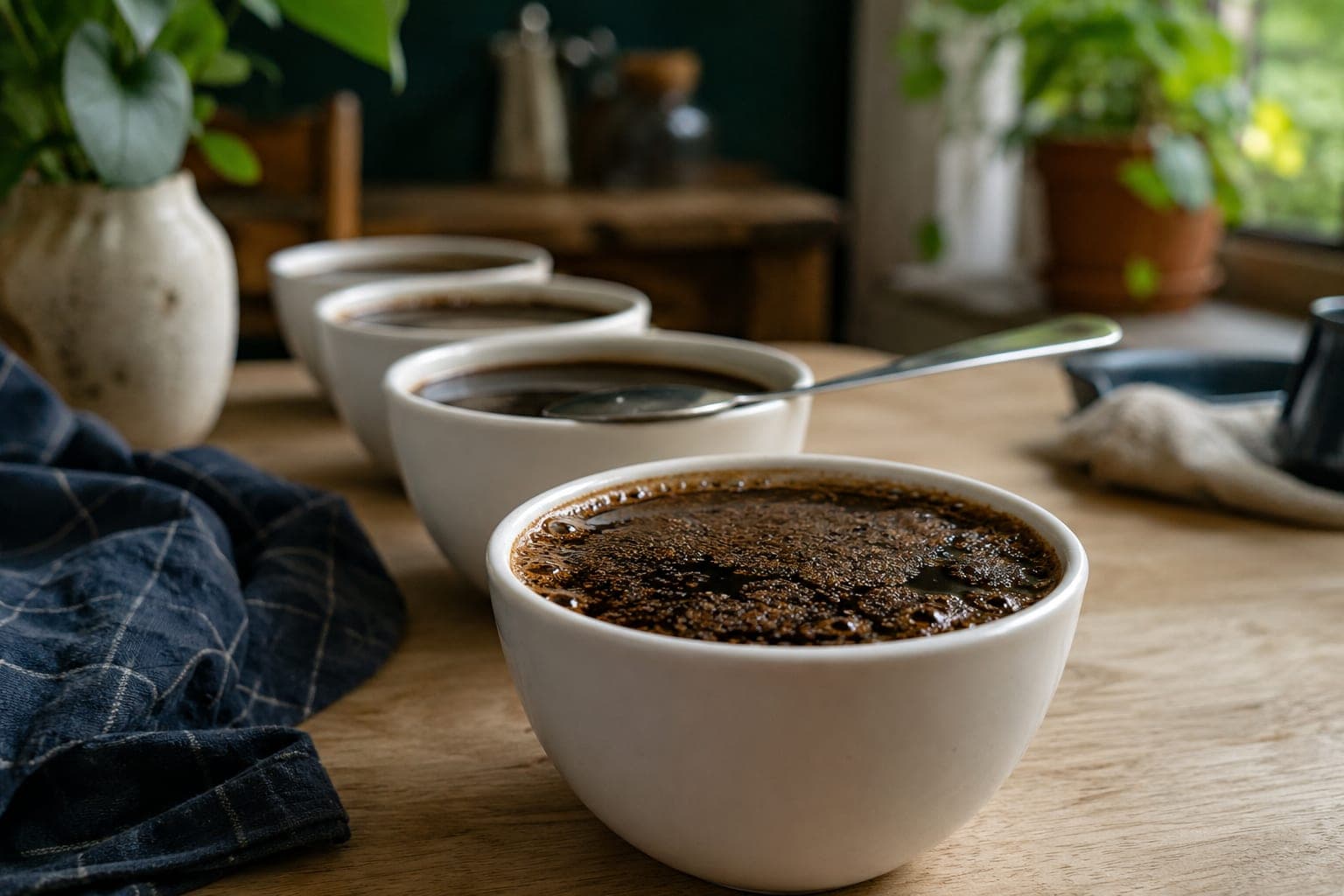
The week starts with green (unroasted) coffee and a cupping table. We taste through the lots we're shipping, check that each one is still tasting the way it should, and decide the roast profiles — the exact time-and-temperature curve — for the week's production.
Midweek: roasting to the orders
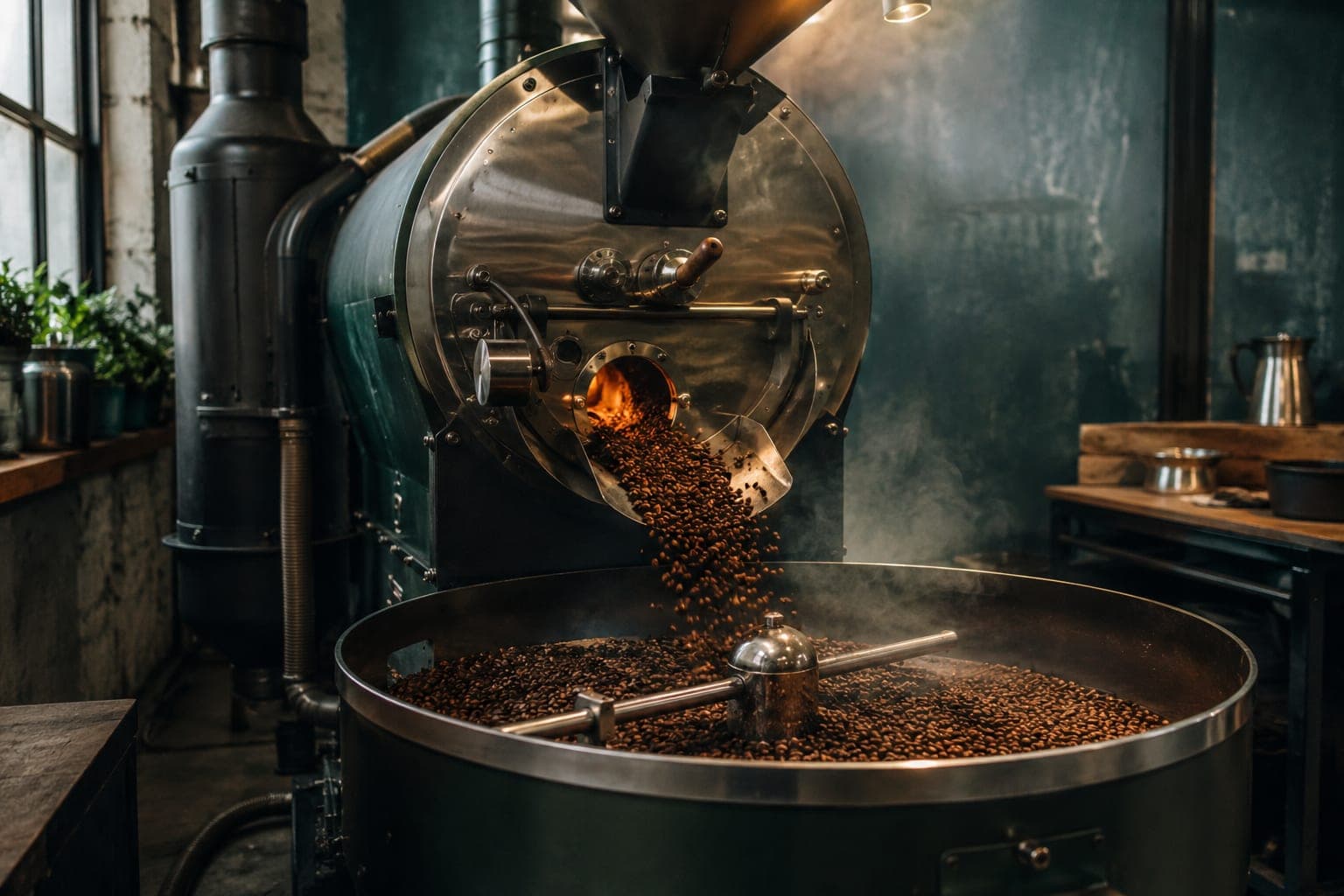
This is the part that's different. We roast against the actual orders and subscription shipments coming due, in small batches, a few kilos at a time. Each origin gets its own profile — a light, floral Ethiopian and a dark, syrupy Guatemalan want completely different curves, and roasting them the same way would waste both.
The goal isn't to roast a lot of coffee. It's to roast the right coffee, the week it's going to be brewed.
Resting and shipping
Fresh-roasted coffee needs a moment. Straight off the roaster it's still releasing CO₂, which can muddy a brew, so we let it rest a day or two to settle. Then it's weighed, bagged with the roast date on it, and shipped — within 48 hours of roasting.
Why we do it the hard way
Roast-to-order is more work and less convenient than roasting big batches and warehousing them. We do it anyway because it's the only way to put genuinely fresh coffee in your hands. Everything else in the building — the cupping, the profiles, the resting — exists to protect that one promise.