Fair Trade did something important: it set a floor under coffee prices and gave buyers a way to signal they cared. We respect it. But a floor is exactly that — a minimum. For the coffee we want to buy, it's the start of the conversation, not the end.
What certification can and can't do
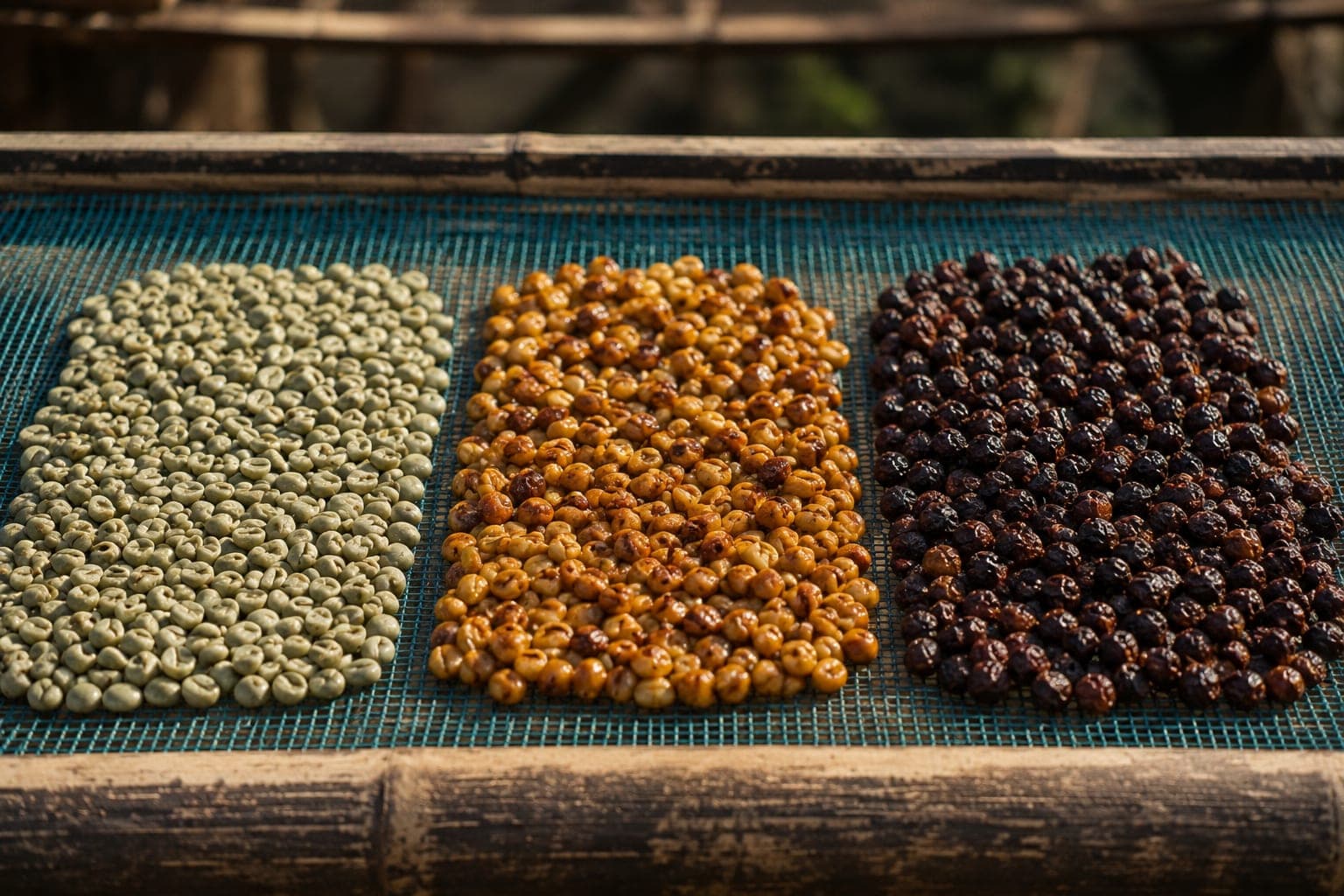
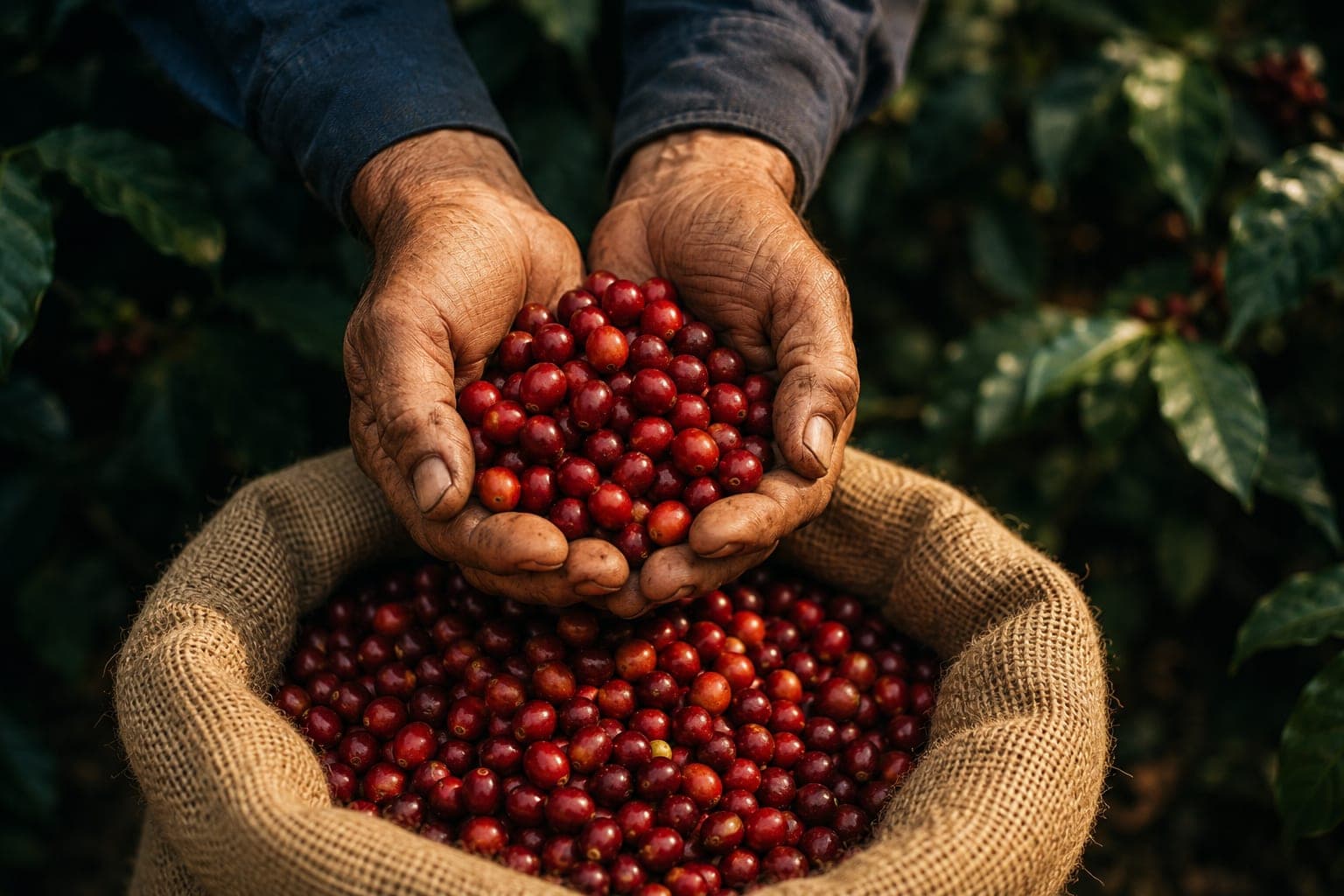
A certification is a system that has to work at scale, which means it's built around minimums and averages. It can guarantee a price didn't fall below a line. What it can't easily do is reward the producer who took a risk on an experimental ferment, picked only the ripest cherries, or invested years building a lot that tastes like nothing else.
That kind of quality is exactly what we're looking for — and it costs more than any floor.
What direct trade lets us do
We buy directly, building relationships with the farms and cooperatives behind our coffees instead of going through an anonymous chain. Direct trade isn't a logo; it's a way of working. And it lets us do a few things a certificate can't:
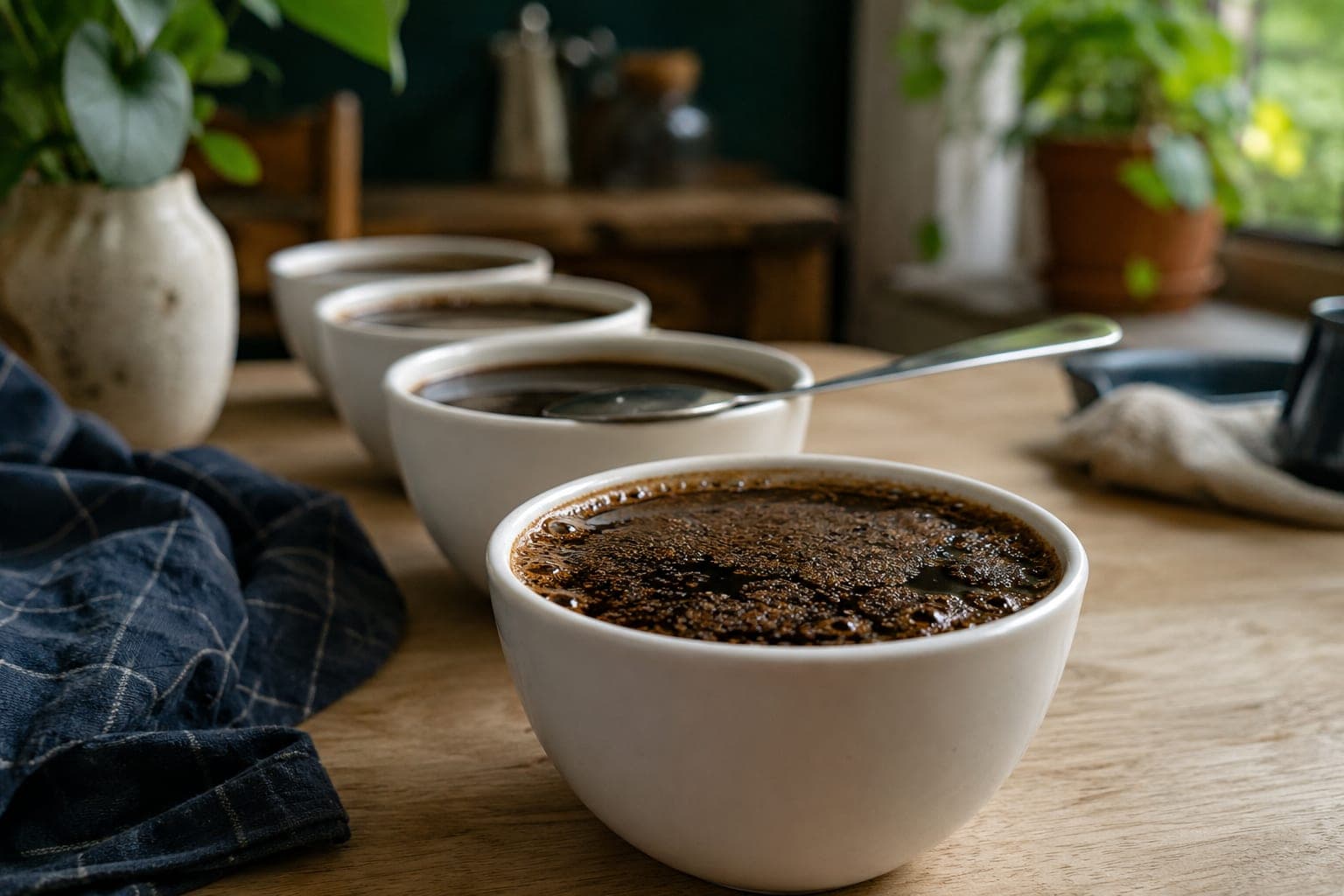
- Pay for quality, not just compliance — a premium for the lots that cup exceptionally, so the extra work pays off.
- Commit across seasons, so a producer can plan and invest, not guess.
- Keep more of what the coffee earns with the people who grew it, by cutting out middle links.
Certifications ask, "did this clear the bar?" We'd rather ask, "what would it take to make this coffee even better next year — and can we fund it?"
Why it sticks
Paying more once is easy. Paying more reliably is what changes anything. When a producer knows we'll be back next season, and that better coffee earns a better price, the incentives finally point the right way. That's the whole idea behind how we source — and it's why "direct trade" shows up on every page of this site, not just this one.