Farmers get more of what their coffee earns.
The premium goes to the people growing the beans, not the export chain.
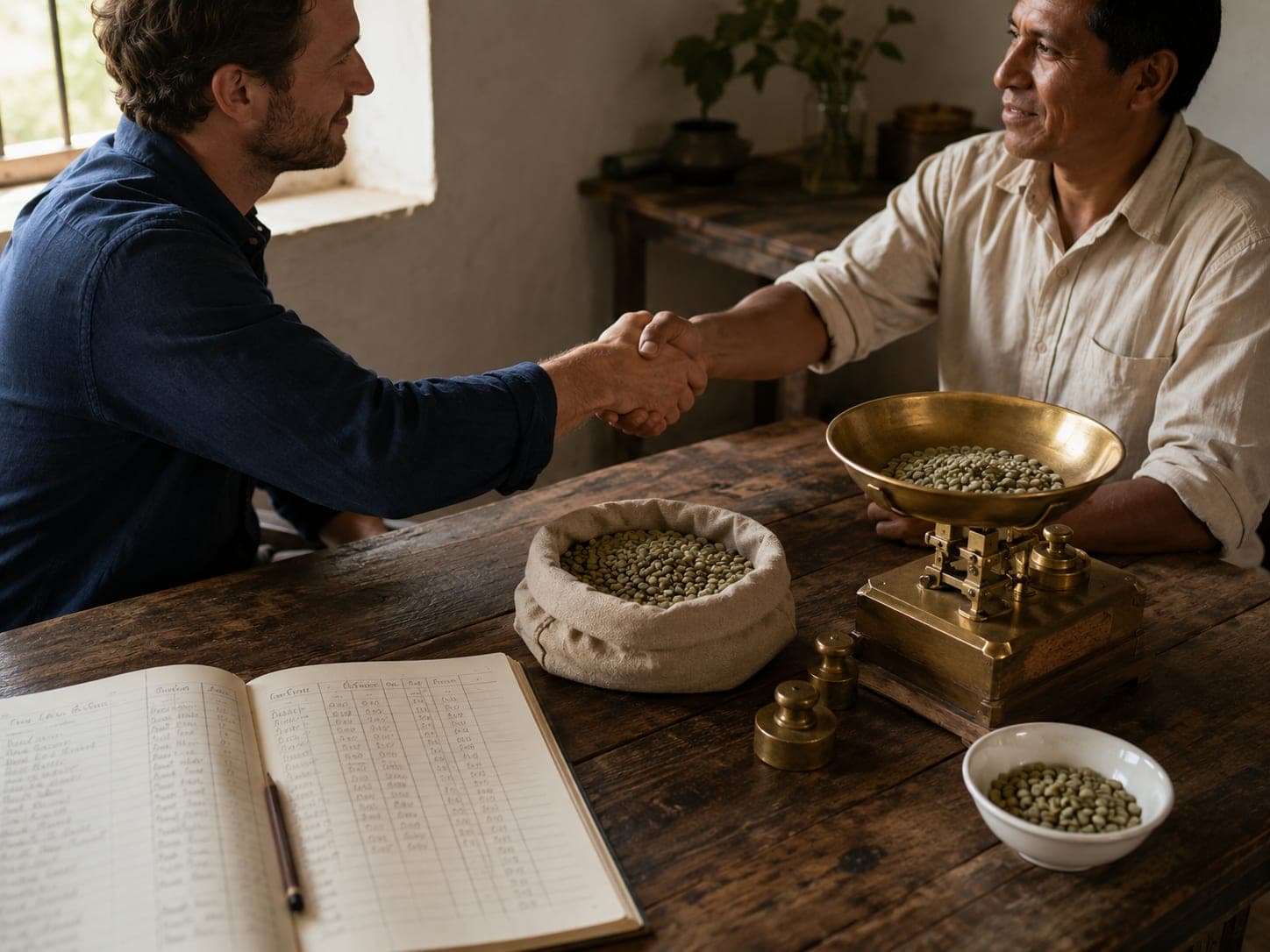
The story
Where the receipts come from.
The commodity coffee chain takes a margin at every step: broker, exporter, importer, distributor, roaster. By the time a bag reaches a shelf, the share of what you paid that actually reaches the farmer is often a small fraction of the retail price.
Direct trade means we buy from the farms and cooperatives ourselves. We negotiate prices with the producer, not with a broker. We sign multi-year contracts instead of annual price-shopping, which gives our partners the certainty to plan, invest in equipment, and keep improving the cup. Slow processing, careful drying, the kind of work that takes capital and confidence both.
Every contract we sign pays above the local market rate. Every transaction comes with a handwritten ledger entry: date, lot, weight, price, total. The receipts are the relationship. We do it this way because it's the only way the work compounds.
In practice
What this looks like.
Above-market premiums
We pay above the local market rate on every contract, every harvest, every year.
Multi-year contracts
Annual price-shopping doesn't work for slow processing. Our partners get the certainty to plan and invest.
Transparent receipts
Every transaction comes with a handwritten ledger entry: date, lot, weight, price.
Partners
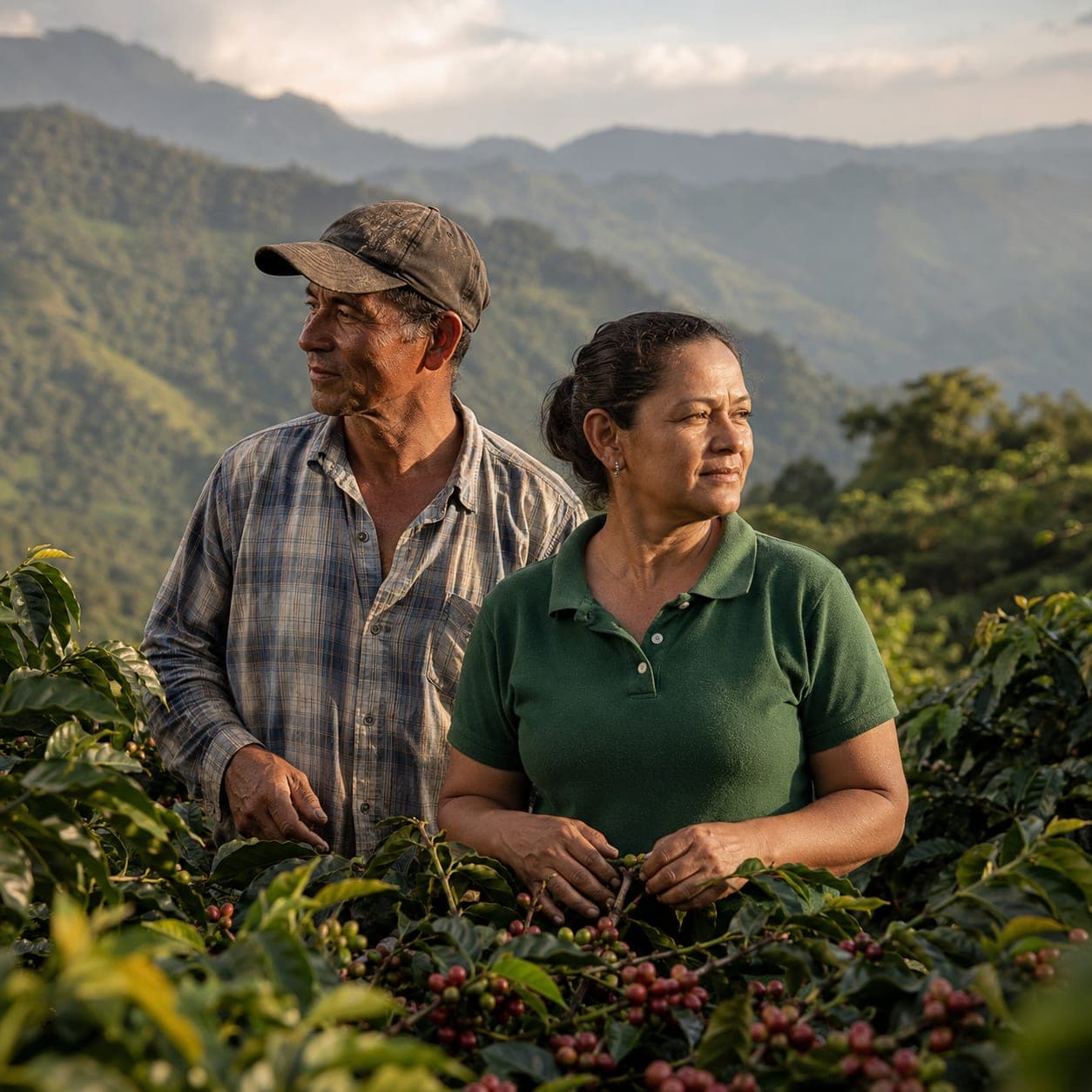
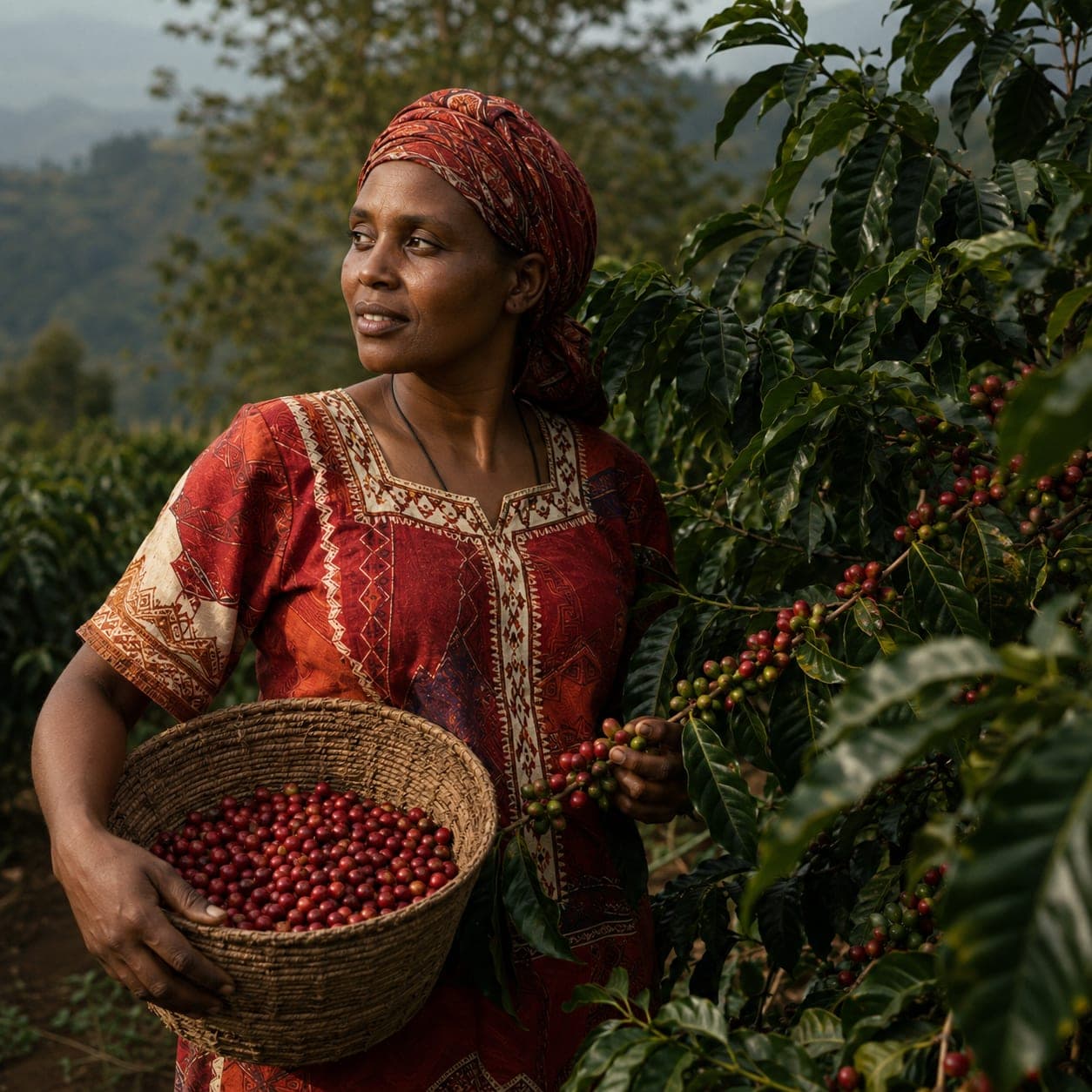
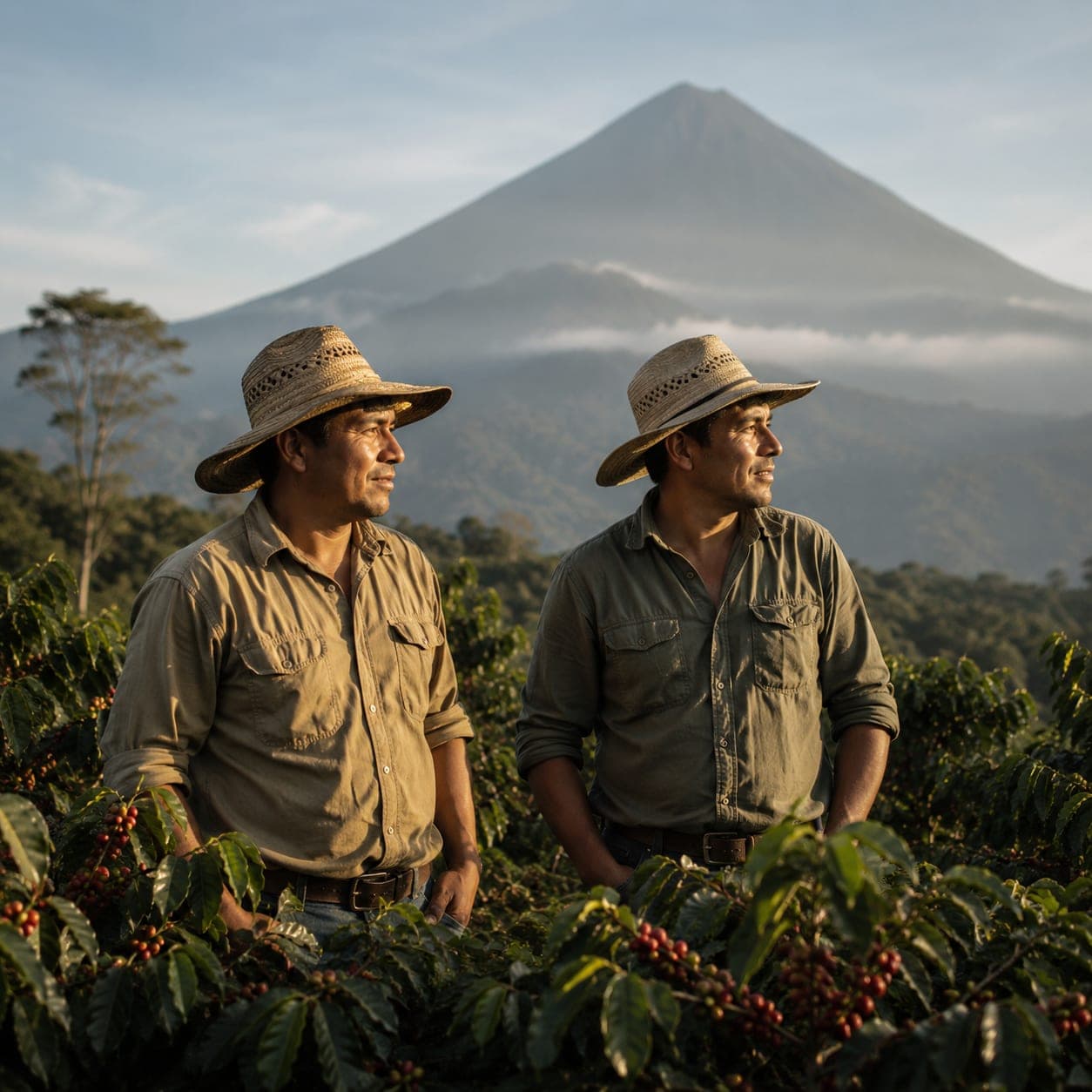
Direct trade in real places.
Shop
Direct trade coffees.
Coffees from the partners doing this work — same farms, same practices, roasted fresh.